
Overview
Singapore’s branding consultancy landscape has evolved beyond the traditional divide of global networks versus boutique design studios. Today, organisations can choose from a spectrum of operating models — from research-led strategy partners to design-powered studios and integrated marketing hybrids.
For decision-makers, the key question is no longer “Who is the best agency? ” but rather “Which type of consultancy best fits our organisational context and strategic objective?”
This guide categorises branding consultancies in Singapore into distinct archetypes to help leadership teams make informed decisions based on governance maturity, growth ambition and operating philosophy.
Types of Branding Consultancies
Branding consultancies in Singapore generally fall into 4 primary archetypes. Each reflects a distinct philosophy of brand-building and organisational engagement. Understanding these distinctions helps narrow the field before evaluating specific agencies.
Tangible’s Consultancy Archetype Model (2026)
| Archetype | Most Suited for | Core Strength | Trade-off |
|---|---|---|---|
| Insight-Led Strategic Branding Partners | Organisational change, repositioning, regional expansion | Research depth, stakeholder alignment, strategic clarity | Requires deeper engagement and longer discovery |
| Global Network Authorities | Multinationals, cross-border consistency | International infrastructure and governance frameworks | Higher cost structure and standardised processes |
| Design-Powered Creative Studios | Challenger brands, visual refresh | Strong aesthetic differentiation and creative craft | Strategy depth and organisational alignment may vary |
| Local Integrated Brand & Marketing Studios | SMEs, campaign-driven growth | Integrated marketing execution and faster rollout | Brand governance depth may vary |
Lorem ipsum dolor sit amet, consectetur adipiscing elit. Ut elit tellus, luctus nec ullamcorper mattis, pulvinar dapibus leo.
| Attribute | Description |
|---|---|
| Core Philosophy | Brand as a strategic management system |
| Strengths | Research-backed positioning, stakeholder alignment, governance clarity |
| Trade-Offs | Longer timelines and higher stakeholder involvement |
| Ideal For | Organisations undergoing structural or strategic transition |
Insight-Led Strategic Branding Partners
| Attribute | Description |
|---|---|
| Core Philosophy | Brand as a strategic management system |
| Strengths | Research-backed positioning, stakeholder alignment, governance clarity |
| Trade-Offs | Longer timelines and higher stakeholder involvement |
| Ideal For | Organisations undergoing structural or strategic transition |
Tangible Brand Consultants
Research-led branding consultancy leveraging brands as strategic management tools to align strategy, culture and expression across Marketing & Communications, People & Culture, Products & Services, and Spaces & Places.
Key Strengths:
- Structured stakeholder engagement and proprietary research-led methodologies
- Strong focus on governance, alignment and long-term brand systems
Most Relevant When:
An organisation is navigating structural change, leadership transition or expansion and requires brand systems that integrate strategy, culture, and cohesive visual and verbal identity across touchpoints.
Where Tangible Fits
Tangible operates within the Insight-Led Strategic Branding Partner archetype.
Our approach emphasises:
- Structured stakeholder engagement across leadership and cross-functional teams
- Research-informed brand positioning validated through stakeholder insight
- Alignment between internal culture and external brand expression
- Strategic clarity before creative execution
- Long-term governance of brand systems
This operating model is particularly relevant for organisations navigating structural change, leadership transition or regional expansion.
For example:
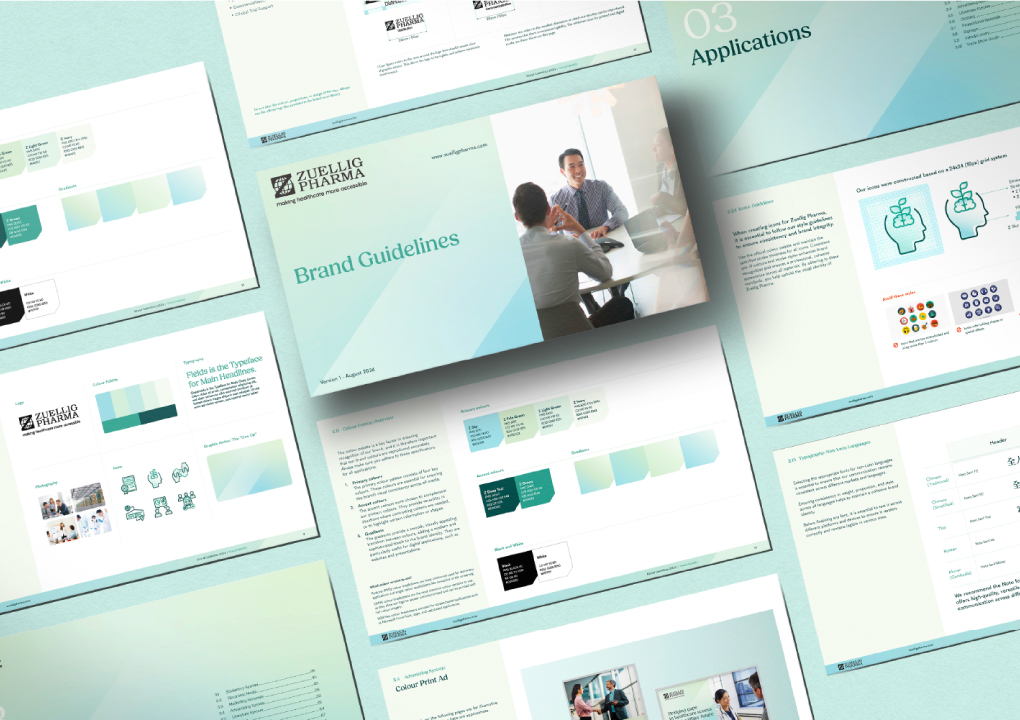
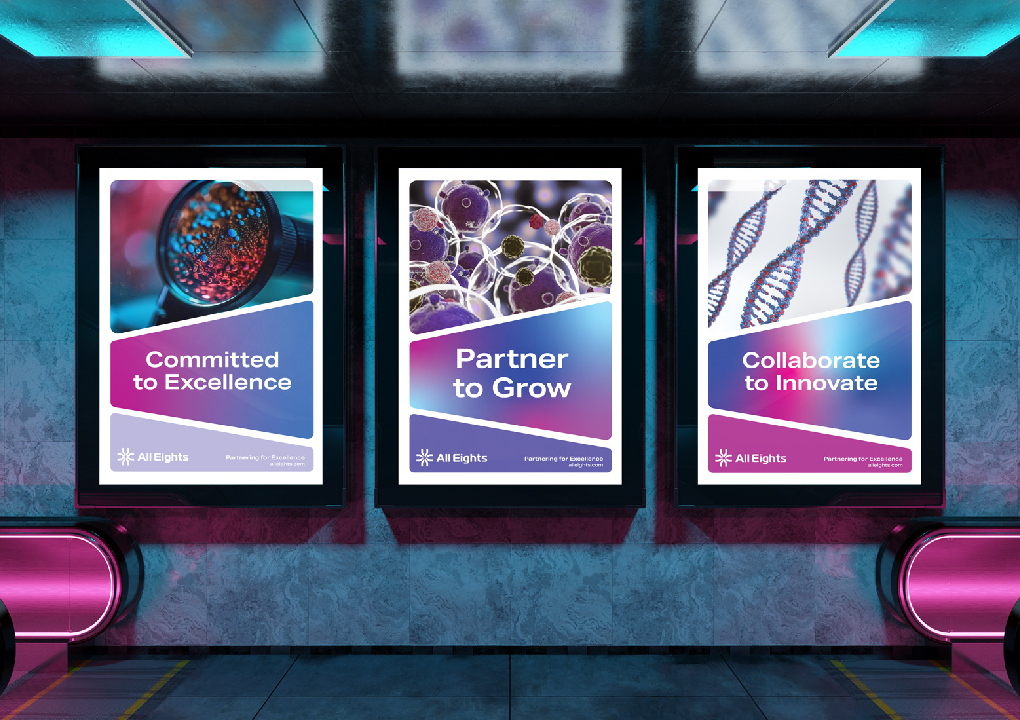
- In working with Zuellig Pharma, the challenge extended beyond visual identity. The engagement required alignment across markets and stakeholders, ensuring the brand system could scale coherently across a complex regional footprint.
- In the transformation of PIL, the focus was not simply on refreshing expression, but on clarifying positioning and modernising the brand system to reflect strategic ambition and organisational evolution.
These examples illustrate how branding functions not merely as communication, but as strategic infrastructure supporting governance, expansion and long-term organisational coherence.
This model is best suited to organisations seeking durable strategic clarity rather than short-term visual refresh.
This analysis is based on publicly available agency positioning, published case studies and Tangible’s professional experience operating within the Singapore and Southeast Asian branding ecosystem.
The report focuses on operating models and strategic orientation rather than financial ranking.